BWashington, D.C., the political heartbeat of the United States, is famous for Congress, embassies, and think tanks. Yet, just a few blocks from the Capitol, a quiet but powerful investment banking sector is growing. While Wall Street keeps the title of global finance capital, D.C. firms occupy a one-of-a-kind space where finance, public policy, defense, and regulation meet.
In this article, we’ll take a close look at D.C.’s investment banking landscape. We’ll identify the top players, spotlight the markets they serve, and highlight the distinct career paths they offer. We’ll explain how these banks help government contractors, fast-growing tech startups, defense agencies, and major infrastructure projects. Together, they form a crucial engine driving the U.S. economy.
The Role of Investment Banks in DC (Washington, D.C.)
In the District, investment banks offer the standard toolkit: mergers and acquisitions (M&A) advice, capital-raising in public and private debt and equity markets, corporate restructuring, and strategic consulting. Yet, the D.C. twist is that each of these services is practiced hand-in-hand with policy makers, defense budgets, and federal regulation.
1. M&A and Strategic Advisory
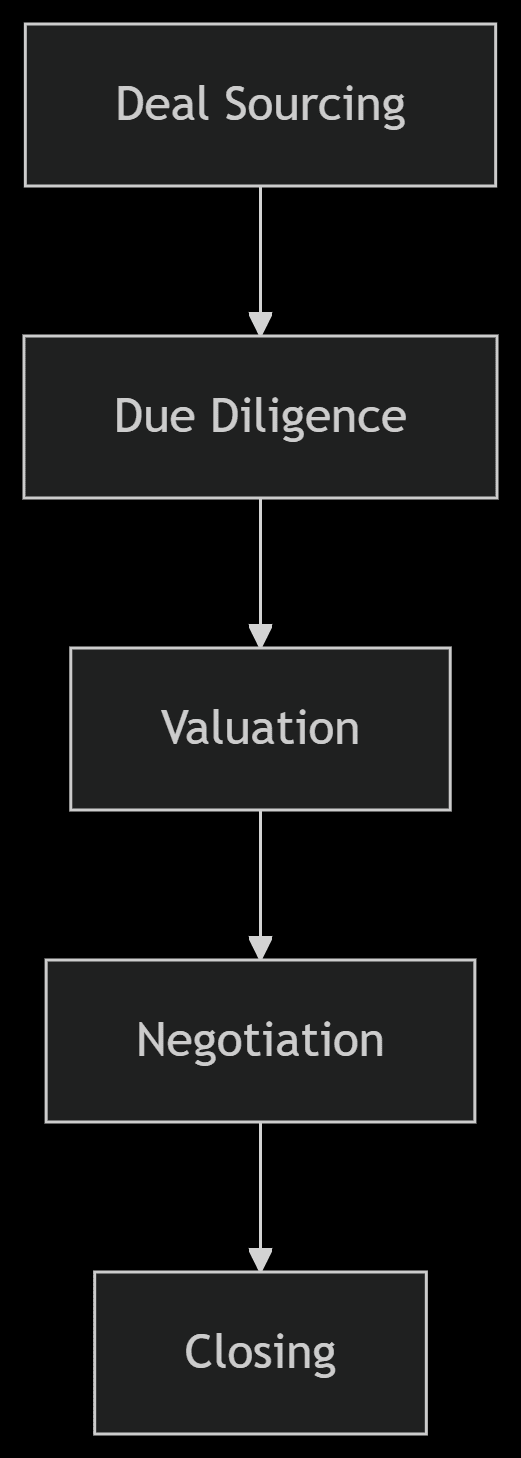
Investment banks in Washington, D.C. often lead mergers and acquisitions, focusing especially on defense, technology, infrastructure, and healthcare sectors. Each of these areas faces strict regulation and strong governmental links, making expert guidance vital.
2. Capital Raising
Mid-market firms across the D.C. region depend on investment banks to secure capital via private placements or public stock offerings. Because of the close watch by federal regulators, these banks must maneuver through dense and changing compliance rules.
3. Government Contracting Advisory
What sets D.C. investment banks apart is their deep expertise in advising companies that secure federal contracts. Whether the client is in defense, cybersecurity, or logistics, the banks deliver tailored valuations, exit plans, and acquisition roadmaps that fit neatly within federal guidelines.
Top Investment Banks in DC (Washington, D.C.)
While big names like Goldman Sachs and Morgan Stanley keep small offices among the top investment banks in DC, the real action is in boutique and middle-market firms that give clients hands-on, tailored advice. Here’s a list of the top investment banks in the D.C. metro area:
| Firm Name | Specialization | Notable Clients/Sectors |
|---|---|---|
| KippsDeSanto & Co. | Defense, Aerospace, Government Services | Raytheon, SAIC, Booz Allen |
| The McLean Group | M&A Advisory, Cybersecurity | Tech, Intelligence Contractors |
| Cassel Salpeter & Co. | Middle-market M&A | Health Care, Education, B2B |
| FocalPoint Partners | Debt Advisory, Restructuring | Manufacturing, Tech, Logistics |
| PCE Investment Bankers | Business Valuation & M&A | Industrial, Business Services |
These shops focus mostly on mid-sized clients and leverage deep industry know-how and strong ties within the federal ecosystem.
Key Sectors for Top Investment Banks In DC
Instead of a generic service menu, D.C. investment banks dive into specific markets where policy, federal budgets, and regulations overlap.
Defense and Aerospace
With the Pentagon and key defense agencies just a few miles away, M&A in defense is always in play. KippsDeSanto, for instance, zeroes in on buy-side and sell-side advice for companies in this space.
Cybersecurity and Tech
Washington, D.C., hosts a vibrant scene of tech startups, particularly in cybersecurity. These companies frequently partner with federal agencies, while local banks provide crucial funding and connect them with government contractors.
Health Care and Biotech
In health care, D.C. firms range from policy-focused medical systems to health tech platforms that serve Medicare and Medicaid. Investment banks in the area handle valuations, guide IPOs, and help these firms scale.
Infrastructure and Energy
D.C. banks specialize in public-private partnerships, financing for clean energy, and large-scale infrastructure projects, aligning their advice with federal priorities.
Why These Top Investment Banks In DC (Washington, D.C.)?
You may ask why firms choose D.C. banks over the classic financial capitals. Here are the key reasons:
| Reason | Explanation |
|---|---|
| Proximity to Government | Direct access to policymakers and contracting officials |
| Specialized Expertise | Extensive knowledge of federal procurement and security |
| Policy Awareness | Insight into how laws and budgets impact industries |
| Networking Opportunities | Connections to think tanks and defense consultants |
Career Opportunities in D.C. Investment Banking
Aspiring bankers in D.C. often follow a different track than those aiming for New York. Internships may be with government contractors, and deal conversations frequently include Congressional staff and regulatory agencies. Having a security clearance can be a major asset, as can a degree in public policy or cybersecurity.
Education
A solid educational foundation is essential, with a typical path including degrees from Georgetown, George Washington University, or the University of Virginia. An MBA from a top-ranked program or a background in public policy and government contracting also adds significant value.
Also Read: How Hard Is It to Break Into Investment Banking? (2025 Guide)
Skills in Demand
- Federal Acquisition Regulations (FAR)
- Active security clearance (necessary for defense roles)
- Data analysis and financial modeling
- Industry-specific expertise (e.g., biotech, aerospace)
Common Entry Points
- Analyst and Associate tracks
- Lateral moves from consulting firms
- Internships during undergraduate or MBA programs
Differences Between D.C. and Wall Street Investment Banking
| Feature | Washington, D.C. | Wall Street |
|---|---|---|
| Client Base | Gov contractors, defense, cybersecurity firms | Fortune 500, private equity, global firms |
| Deal Size | Mid-market (sub-$500M) | Large-cap ($1B+) |
| Culture | More policy-driven, slower-paced | High-pressure, fast-moving |
| Work Hours | Slightly better work-life balance | Typically longer, more intense hours |
| Career Growth | Strong for niche experts | Generalist with broader exit options |
Regulatory and Policy Considerations
D.C. investment banks operate in a complex regulatory environment. Key regulations include:
- CIFUS (Committee on Foreign Investment in the U.S.) for cross-border transactions
- Federal Acquisition Regulation (FAR)
- DCAA (Defense Contract Audit Agency) compliance
- SEC and FINRA regulations
To navigate these layers, banks typically employ legal experts or consultants who assist in deal structuring.
Future of Investment Banking in D.C.
The outlook for D.C. investment banking remains strong. The growth of defense technology, cybersecurity M&A, and public-private partnerships is likely to sustain demand for specialized advisory services tailored to government contracting and defense sectors. As regulatory requirements tighten, firms that can offer deep expertise in compliance and policy analysis will retain a competitive edge.
The future looks bright for investment banks in Washington, D.C. thanks to several key trends:
- The federal government is ramping up spending on defense and infrastructure projects.
- Cybersecurity threats are rising, pushing companies to invest in secure technology.
- Public-private partnerships are growing in health care and education.
- New fields like space technology and green energy are taking off.
As the regulatory landscape grows more complicated, D.C.-based firms will become even more valuable for their in-depth, localized knowledge.
Conclusion
Investment banks in Washington, D.C., may not grab headlines like their Wall Street counterparts, yet they are vital to America’s financial and strategic framework. By concentrating on areas closely tied to government policy—like defense, cybersecurity, infrastructure, and health—they offer specialized advice that blends financial skill with a deep grasp of federal rules.
For companies navigating the federal space, teaming up with a D.C. investment bank is more than clever planning; it’s a must. For future professionals who want to blend finance and policy, D.C. provides a one-of-a-kind and fulfilling career route.
Frequently Asked Questions (FAQs)
1. What is the main focus of investment banks in Washington, D.C.?
Investment banks in D.C. focus on government contracting, defense, cybersecurity, infrastructure, and areas with strong regulatory or federal connections.
2. Are there big investment banks based in D.C.?
Most major banks have offices in D.C., but the city is mostly known for boutique and mid-sized firms specializing in certain markets.
3. How are D.C. investment firms different from those in New York?
Firms in D.C. focus on regulated sectors and government clients, while New York firms take on bigger, worldwide, and more varied transactions.
4. Is Washington, D.C. a smart place to kick off a banking career?
Absolutely, if you’re drawn to policy, defense, or health sectors. Many start in D.C. and later move to larger markets.
5. What do I need to get hired at a D.C. investment bank?
A degree in finance, economics, public policy, or something similar is standard. Having a security clearance and knowing federal contracting helps.
6. What services do D.C. banks typically provide?
They do M&A advice, capital raising, business valuations, restructuring, and strategic consulting.
7. Which sectors are hot for D.C. investment bankers right now?
Defense, cybersecurity, biotech, and infrastructure are strong, thanks to more federal funding and new policy trends.
8. Can I intern at a D.C. investment bank?
Definitely. Lots of smaller boutiques roll out internships for both undergrads and MBA students. If your coursework leans toward policy or federal affairs, you’ll be a solid fit.
9. Do D.C. investment banks assist startups?
Some of them do. If you’re in defense tech, cybersecurity, or health tech, a D.C. bank can help you raise money, merge, or find strategic partners.
10. Can a foreign company partner with a D.C. investment bank?
Absolutely. Just keep in mind you’ll need to work through CIFUS and other federal checks. Many local banks know the ropes and can guide you on compliance.